_ab99f0f4.png)
Name, Image &
Likeness Law
Protecting athletes, influencers, brands, and creators in the evolving NIL landscape — from first deal to long-term strategy.
The NIL Landscape Has Changed Everything
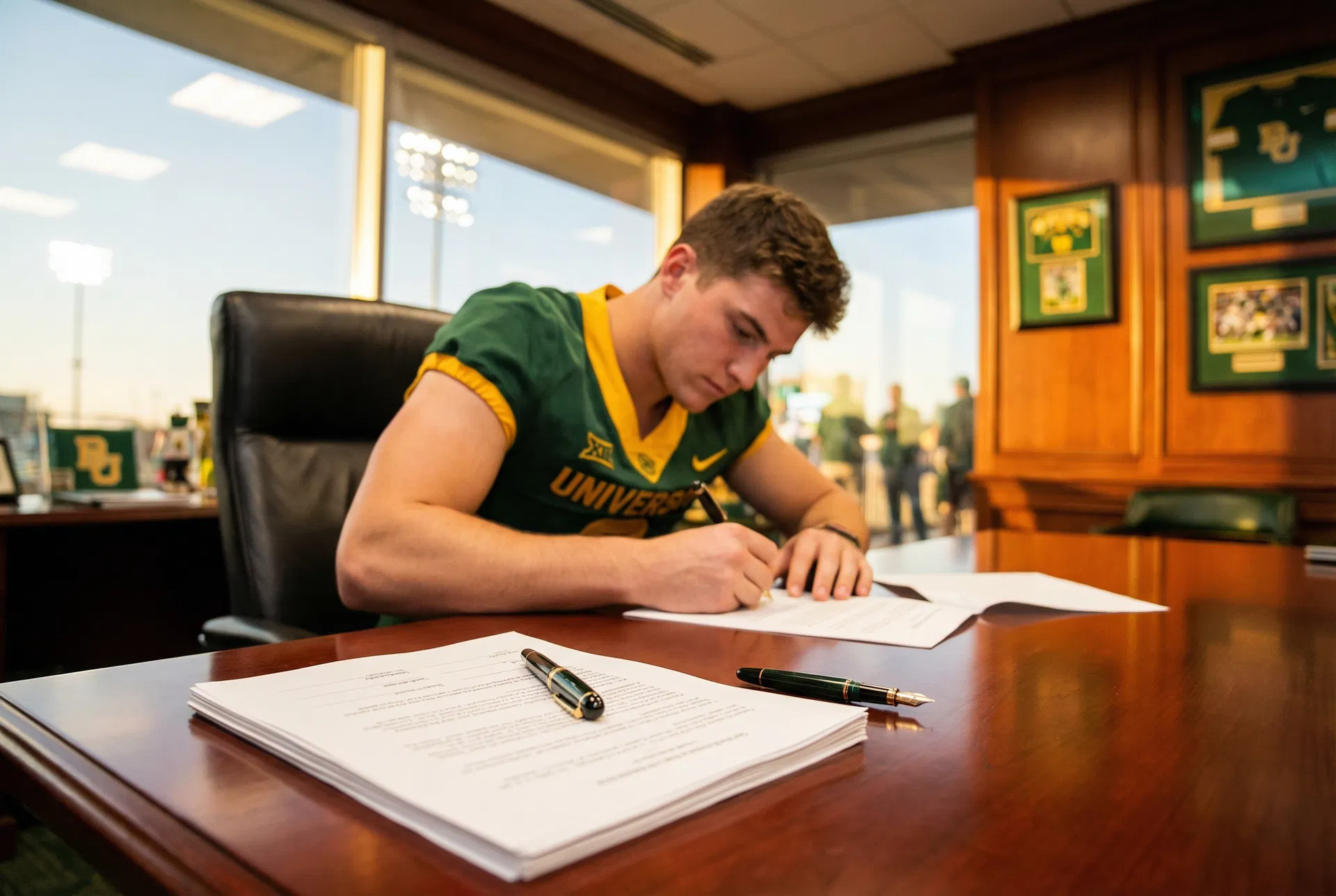
Name, image, and likeness rights are not limited to college athletes. The legal framework governing NIL extends to professional athletes, high school athletes, social media influencers, content creators, brands, and any individual or entity whose identity carries commercial value. Since the NCAA's landmark 2021 policy change, the issue has received widespread attention — but the underlying legal principles apply far more broadly.
The Law Office of Carl G. Hawkins, PLLC provides NIL counsel to athletes at all levels, influencers, brands, and other parties navigating NIL transactions. The firm's approach is direct and client-first: review every contract before you sign, negotiate terms that protect your long-term interests, and ensure that every deal is structured to serve your goals.
Unlike sports agencies, this firm provides legal counsel — not representation for the purpose of negotiating athletic contracts. The distinction matters: as a licensed Florida and D.C. attorney, Carl G. Hawkins provides the legal analysis, contract review, and strategic guidance that agents cannot, while remaining fully independent of any commercial interest in your deals.
Why Legal Counsel Matters
- Agents cannot provide legal advice on contract terms
- One bad clause can affect eligibility or future earnings
- Tax implications vary significantly by deal structure
- Exclusivity clauses can lock you out of better deals
- IP assignments may affect your brand long after any deal ends
Ready to Protect Your Rights?
What the Firm Handles
NIL Contract Review & Negotiation
Every endorsement deal, sponsorship agreement, and brand partnership reviewed line-by-line. The firm identifies problematic clauses — exclusivity, IP assignments, termination rights, non-disparagement — and negotiates on your behalf before you sign. Clients include collegiate athletes, professional athletes, influencers, and brands.
Eligibility Compliance Guidance
NCAA, conference, and institutional NIL rules are a moving target. The firm advises on whether a proposed deal structure is compliant with applicable eligibility rules — whether you are a collegiate athlete, a high school athlete in a state with NIL legislation, or a professional athlete subject to league rules.
Collective & Group Licensing Agreements
NIL collectives have become a major source of athlete compensation. The firm reviews collective agreements, group licensing deals, and revenue-sharing arrangements to ensure the terms are fair and that your rights are protected.
Brand Partnership Structuring
Long-term brand relationships require more than a one-page agreement. The firm helps structure multi-deal brand partnerships, including exclusivity carve-outs, performance bonuses, and post-eligibility renewal options.
Social Media & Content Monetization
Sponsored content, affiliate arrangements, and platform-specific deals each carry distinct legal considerations. The firm reviews platform terms, FTC disclosure obligations, and brand-specific content requirements to keep you compliant and protected.
Agent & Advisor Agreement Review
Before engaging any agent, marketing representative, or NIL advisor, have the agreement reviewed. The firm identifies fee structures, termination clauses, and conflict-of-interest provisions that may not be in your best interest.
Who the Firm Serves
NIL rights belong to anyone whose identity carries commercial value — not just college athletes. The firm advises a broad range of clients on protecting and monetizing their name, image, and likeness.
Collegiate Athletes
NCAA athletes navigating NIL deals, collective agreements, revenue-sharing arrangements, and eligibility compliance under evolving conference and institutional rules.
Professional Athletes
Pro athletes in the NFL, NBA, MLB, MLS, and other leagues reviewing endorsement contracts, brand partnerships, and post-career licensing arrangements.
High School Athletes
High school athletes in states with NIL statutes who are beginning to receive brand offers and need legal review before signing anything that could affect future eligibility.
Social Media Influencers
Content creators and influencers with brand deal pipelines who need contract review, FTC compliance guidance, and IP protection across platforms.
Entertainers & Public Figures
Musicians, actors, and other public figures whose name, image, and likeness are used commercially in endorsements, licensing deals, or media appearances.
Brands & Collectives
Companies and NIL collectives structuring compliant agreements with athletes and creators, ensuring deal terms are enforceable and aligned with applicable rules.
What Every NIL Client Should Know Before Signing
Exclusivity Can Cost You More Than It Pays
Many brand deals include broad exclusivity clauses that prevent you from working with competitors — sometimes for entire product categories. A $5,000 deal with a broad exclusivity clause can cost you $50,000 in foregone opportunities.
IP Assignments Are Often Permanent
When a contract assigns your intellectual property rights — including your name, image, and likeness — to a brand, that assignment may survive the deal. The firm ensures you retain the rights you need for your future career and personal brand — whether you are a college athlete, a professional, or a content creator.
Tax Obligations Are Your Responsibility
NIL income is taxable. Whether structured as a 1099 payment, a W-2, or a revenue-sharing arrangement, the tax treatment varies. The firm recommends working with a CPA familiar with athlete compensation alongside legal review.
State Law Varies Significantly
Florida and many other states have enacted NIL statutes that provide athletes with specific rights and protections. Understanding which state's law governs your agreement — and what protections apply — is essential.
Disclaimer
Carl G. Hawkins is a licensed attorney, not a licensed sports agent. The firm provides legal counsel on NIL matters and does not act as a sports agent or athlete representative under any applicable sports agent registration statute. Athletes are encouraged to consult with a licensed sports agent for representation in athletic contract negotiations.
Notice Regarding Tax Matters
NIL transactions may have income tax consequences depending on the structure of the deal, the athlete's status, and applicable state law. The firm provides legal counsel on contract terms and structure but does not provide tax advice, tax planning, or representation before the IRS or any tax authority. Clients are strongly encouraged to consult a qualified CPA or enrolled agent regarding the tax implications of any NIL arrangement.
Consultation
Initial consultations are $250 for 50 minutes. The firm reviews the specific deal or situation you bring to the consultation and provides actionable legal guidance — not generic advice.
Schedule NowThe House v. NCAA Settlement: A New Era for College Athletics
On June 6, 2025, Judge Claudia Wilken of the Northern District of California granted final approval of the landmark House v. NCAA settlement — the most significant structural change to college athletics compensation in the sport's history. Beginning July 1, 2025, Division I schools may directly share revenue with their athletes, with participating institutions permitted to distribute up to approximately $20.5 million annually.
The settlement also requires the NCAA and Power Five conferences to pay approximately $2.8 billion in back pay over ten years to athletes who competed between 2016 and 2021 without NIL earnings. This historic shift does not eliminate NIL — it layers direct institutional compensation on top of the existing third-party NIL marketplace, creating a more complex legal and financial environment for athletes and their advisors.
For athletes, the post-House landscape raises new questions: How does a revenue-sharing agreement interact with existing NIL deals? What are the tax implications of direct school payments? How should athletes structure their overall compensation arrangements across both channels? The firm advises athletes and their families on navigating this evolving framework — from reviewing revenue-sharing agreements to coordinating NIL deal terms in light of new institutional relationships.
Key Settlement Terms
- Final approval: June 6, 2025
- Revenue sharing began: July 1, 2025
- School cap: ~$20.5M per institution annually
- Back pay: ~$2.8B over 10 years (2016–2021 athletes)
- NIL third-party deals remain permitted
- New compliance obligations for schools and collectives
What This Means for Athletes
Athletes now operate in a dual-compensation environment. Legal review of both revenue-sharing agreements and third-party NIL deals — and how they interact — is more important than ever.

Licensed In
Florida · D.C.
Carl G. Hawkins
Carl G. Hawkins brings a sophisticated understanding of both the legal and commercial dimensions of NIL to every client engagement. His practice sits at the intersection of sports, entertainment, and business law — areas where the stakes are high and the contracts are rarely athlete-friendly out of the box.
As a boutique solo practitioner, Mr. Hawkins works directly with every client. There are no associates reviewing your contract before it reaches him — he reviews it himself, negotiates directly, and provides counsel that reflects the full weight of his experience and attention.
Full BiographyHave a Deal on the Table?
Do not sign until you have had it reviewed. A $250 consultation can protect you from clauses that cost far more.